

· Vitorra Admin
Buying Ugandan Arabica coffee for export: grades, terms and documents explained
A plain guide for importers and roasters sourcing coffee from Uganda: what the grades mean, how EXW terms and minimum orders work, which documents to ask for, and how to request samples.
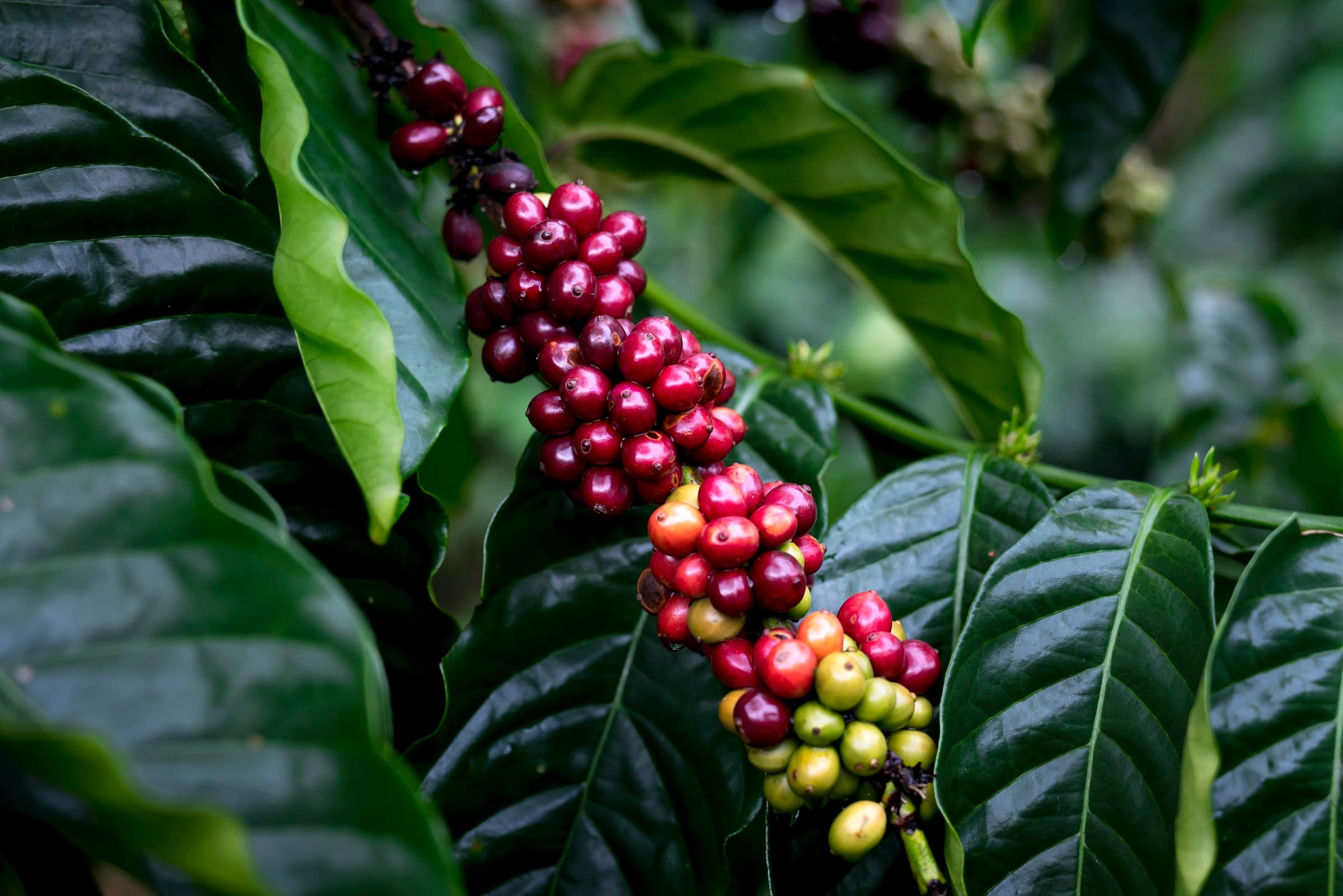
Uganda is one of Africa's leading coffee producers, and its Arabica, grown at altitude on the slopes of Mount Elgon in the east and the Rwenzori mountains in the west, has a following among roasters who want body and sweetness. If you are sourcing from Uganda for the first time, the trade terms can be harder to read than the cup. This guide explains them, using our own export offer as the worked example.
What the grades mean
Ugandan coffee is graded largely by bean size, measured by the screen a bean will not pass through. Bigger, more uniform beans generally command higher prices.
- AA: the largest screen size, the top of the commercial range.
- A: a large, even bean, and the grade our listed price is quoted on.
- AB: a blend of A and B screens, a common export workhorse.
- B: a smaller screen, consistent in the cup.
- PB (peaberry): the single round bean that forms when only one seed develops in the cherry, selected separately.
Ask any supplier for a grading report with each lot, and judge the sample in the cup, not just on paper.
Roasted or green: check the HS code
Our export product is roasted Arabica beans, which trade under HS code 0901.21 (roasted coffee, not decaffeinated). Green coffee falls under a different code (0901.11). The code drives import duties and paperwork in your country, so confirm it with your customs broker before you order.
Minimum orders and lead times
- Minimum order: 1 metric tonne.
- Lead time: around 7 working days from order confirmation.
- Packaging: made to the buyer's specification.
A one-tonne minimum suits specialty roasters and importers testing a new origin before committing to container volumes.
Price and incoterms
Our indicative band for the standard grade is USD 5,600 to 5,800 per metric tonne, EXW (Ex Works). Two points matter here:
- EXW means the price covers the coffee ready for collection; the buyer arranges and pays for transport, export clearance and insurance from that point. Shipments from Uganda typically move through the port of Mombasa. If you would rather not manage the inland leg, ask for a quote on other terms, and our logistics team can quote freight separately.
- Bulk is quoted separately. The band is not a bulk price. Larger orders are priced on quantity, grade, packaging and destination.
Documents to ask for
Agree the paperwork before you pay, not after. For most destinations you will want:
- a certificate of origin
- a grading and quality report
- a phytosanitary certificate
- food-safety documentation
Requirements differ by market. If you import into the European Union, raise the EU Deforestation Regulation (EUDR) at the very start of the conversation, because traceability evidence has to be gathered before the coffee ships. We confirm in writing exactly which documents we can issue for your destination before you commit.
Samples
Samples are available before any order, with the cost of the sample and courier carried by the buyer. Tell us the grade and roast you are interested in and where the sample should go.
How to start
Send us the grade, quantity, packaging and destination, and we will come back with a firm quote and the document list for your market. Start an export enquiry, or read more about Vitorra Coffee.