

· Vitorra Admin
Chitosan wound spray explained: how SEAL helps control bleeding, and where it fits in first aid
What a chitosan hemostatic spray is, how it helps blood clot, the three SEAL formats, and the limits every first-aid kit owner should understand.
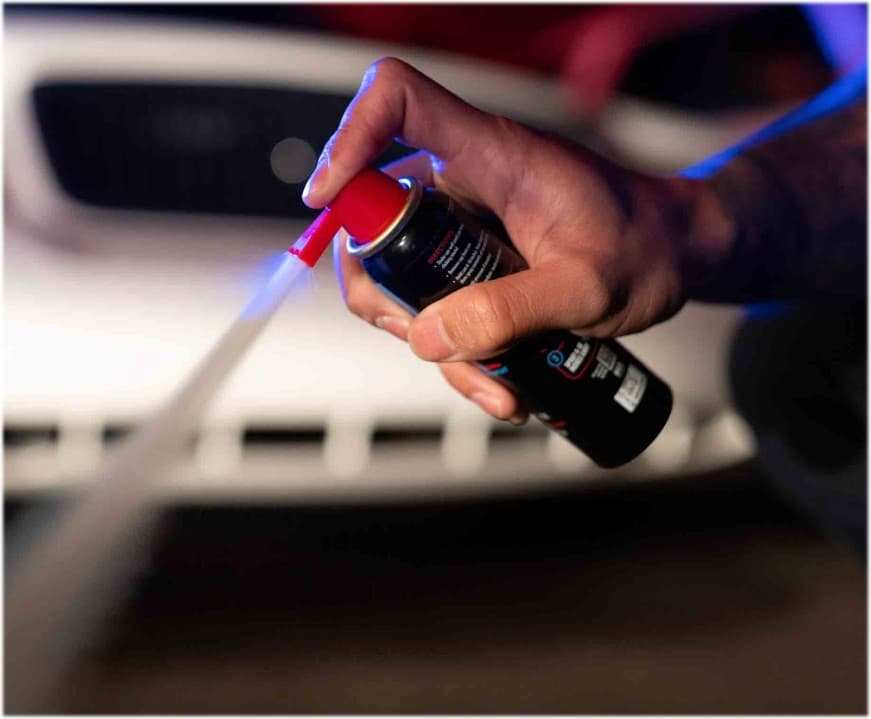
Serious bleeding is one of the few emergencies where the first few minutes, and whoever happens to be nearby, decide the outcome. That is why clinics, ambulance crews, factories, mines and transport operators look for first-aid tools that are fast and simple to use under pressure. This article explains one of them: the chitosan hemostatic spray.
What "hemostatic" means
A hemostatic agent helps the body stop bleeding by speeding up clot formation at the wound. Gauze and pressure remain the foundation of bleeding control; a hemostatic agent is applied to the wound to help a stable clot form faster.
Why chitosan
Chitosan is a natural material derived from chitin, found in the shells of crustaceans. It carries a positive charge, and red blood cells and platelets carry a negative one, so they are drawn to it and bind together. The result is a clot that forms quickly and holds.
SEAL uses a sterile, dry chitosan powder delivered as an aerosol spray, so it reaches irregular wounds and areas that are awkward to pack with gauze.
The three formats
One formula comes in three formats, for different settings:
- SEAL OTC (1.5 oz): for everyday use at home, at work and when travelling.
- SEAL PRO (2.5 oz): a professional grade delivering around 80 PSI, for first responders and tactical teams dealing with moderate to severe bleeding.
- HemoSEAL Pet (2.8 oz): a sting-free formula for animal first aid that does not glue fur.
Practical points for kit owners
- Shelf life: 36 months.
- Storage: room temperature, with no refrigeration needed, which matters for vehicle and site kits.
- Durability: tested to the MIL-STD-810H standard for heat, cold, altitude and humidity.
- Removal: the clot is removed with saline or clean water and sterile gauze by the treating clinician.
The limits you should know
We would rather you hear these from us than learn them in an emergency:
- It is not a replacement for a tourniquet. Where a tourniquet is the right tool, use it. A spray is useful where one cannot be applied, such as the neck, groin or armpit.
- It is single-patient use. Once a can is activated, use it on one person. Several wounds on the same person are fine.
- It does not replace professional care. Apply pressure, call for help, and get the injured person to medical care.
- Training matters. Everyone who may use the kit should know where it is and how to use it before they need it.
Regulatory status
SEAL is cleared by the US Food and Drug Administration under the 510(k) process, is made in the USA, and is used in emergency medical, military and tactical settings, including by agencies such as Maryland EMS. Approval requirements differ by country. For Uganda, we provide the full regulatory and compliance documentation on enquiry so your medical or procurement team can review it before purchase.
Who it is for
Organisations where bleeding injuries are a foreseeable risk: hospitals and clinics, ambulance and first-responder services, factories, mines and quarries, construction sites, boda boda and transport associations, schools and sports clubs.
To discuss which format suits your setting, or to request the product and compliance documents, send us an enquiry or read more about SEAL Wound Spray.